

Chelsea Funk couldn’t wait to go Over The Edge during Granted’s inaugural fundraising event, rappelling participants down CenterPoint Energy’s nine-story office building. The nonprofit’s mission to grant wishes to children with life-threatening or terminal illnesses touched her heart: Her son Chase, now 11, is diagnosed with Syngap1, an extremely rare neurological disease that puts his body through hundreds of short seizures a day. “If he can face every day and not be scared, I can go over the edge,” Chelsea thought, so she signed up to rappel and helped Granted raise more than $270,000 in 2022.
When Chelsea signed up for Year Three, Chandra Beck invited Chelsea’s family — which includes her husband, Michael, and daughter, Maylee, now 7 — to apply for assistance through Beyond the Wish, the program she directs at Granted. Chelsea was floored to learn that Granted also connected families of children with special needs to services for transportation, financial aid, employment, therapy, and counseling. “I thought (Granted) was only a wish program for terminally ill kids, but they really go above and beyond,” she says.
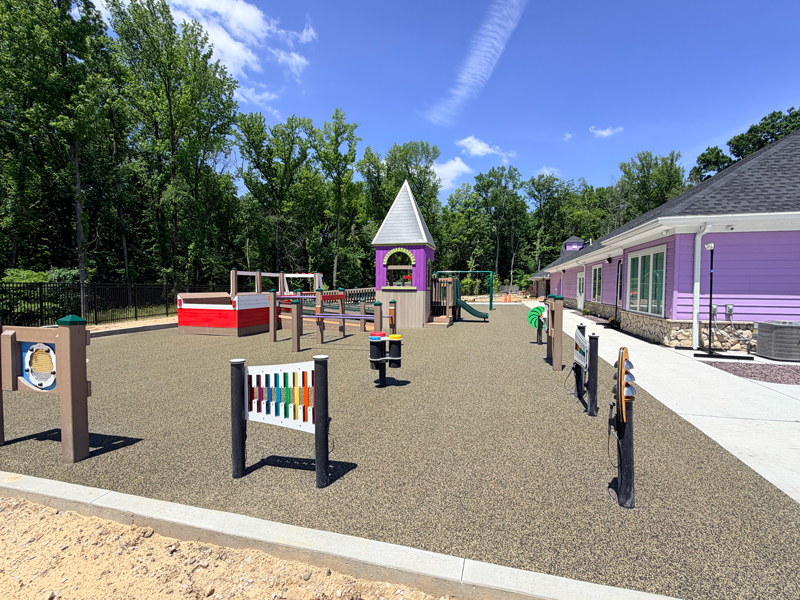
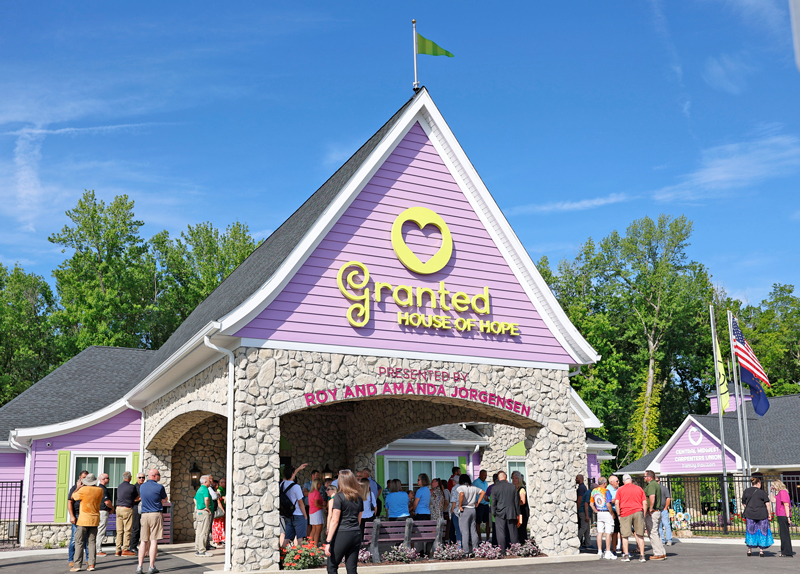
The House of Hope is proving that Granted is about more than a wish. In addition to putting its services under one roof, its 13-acre campus at 2200 Oak Hill Road will help bridge a gap between clients — called Wish families — and the community. “It goes far beyond providing a practical space for activities and events. It is a sanctuary for Wish children and their loved ones — a place where there is no need for lengthy explanations, and where families are safe from the unfortunate discomforts of the outside world. … It is a place for hope, a place of joy, and, for some of us, a sanctuary in which to grieve,” says Dan Dennison, Commercial Loan Officer and Vice President at First Federal Savings Bank. Dennison connected with Granted while his late teenage son, Grant, battled cancer. Dennison now serves on Granted’s board of directors.
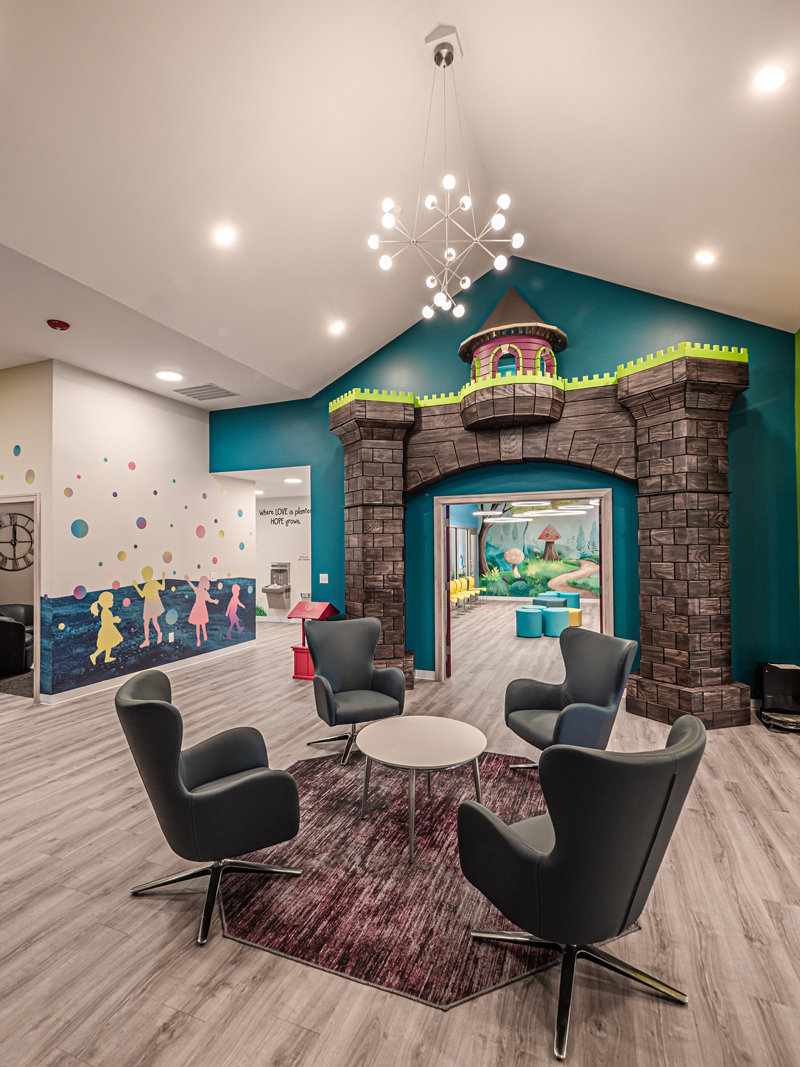
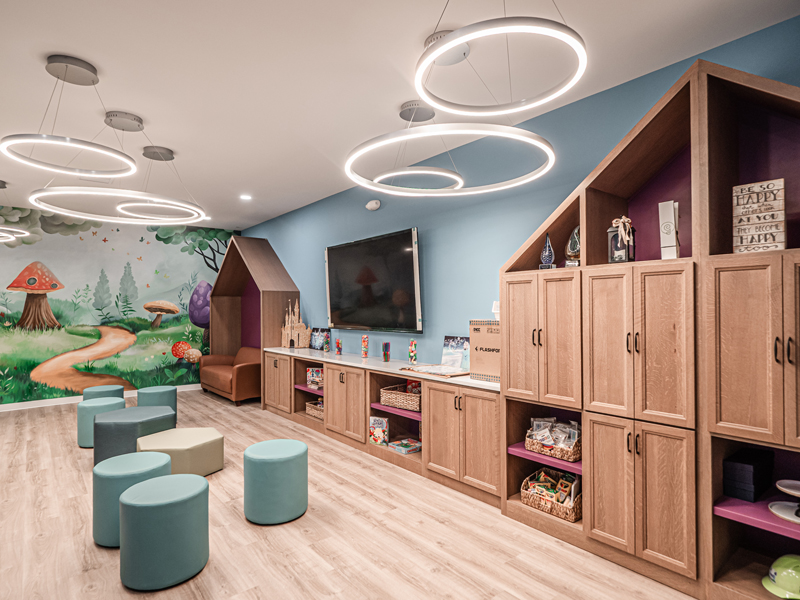
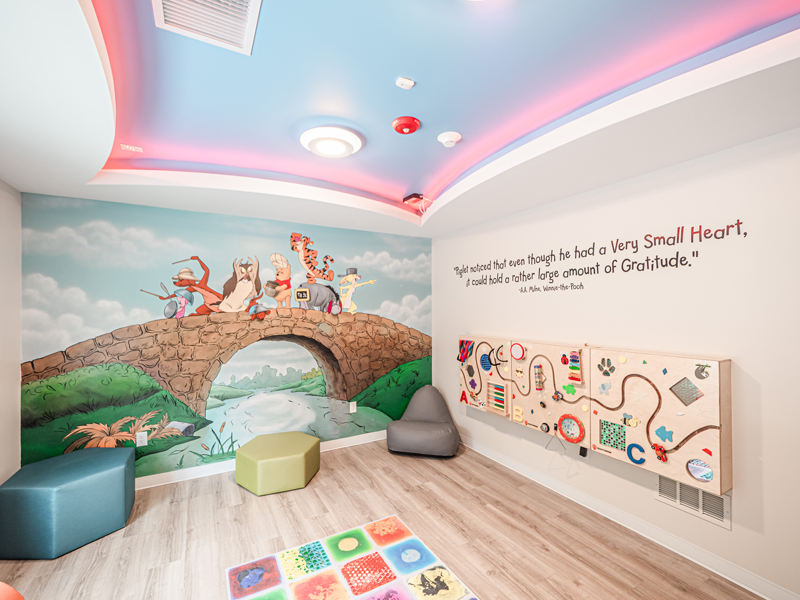
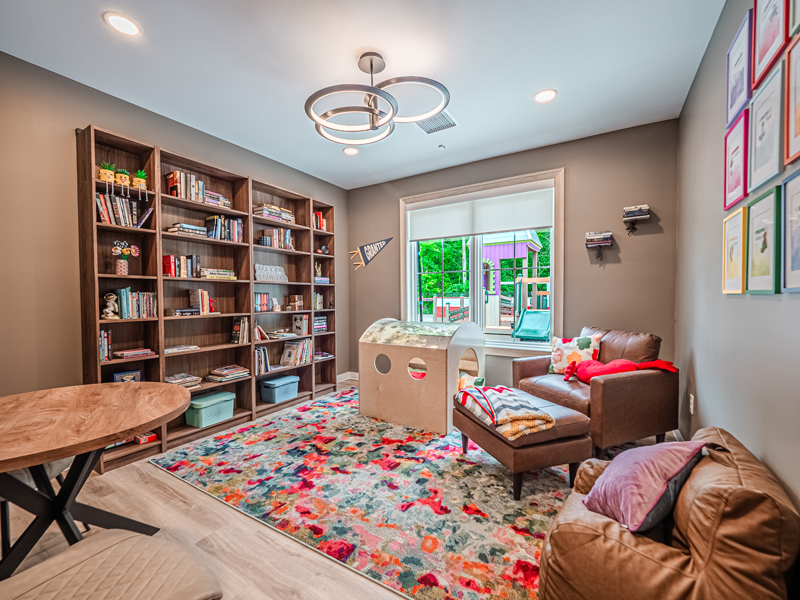
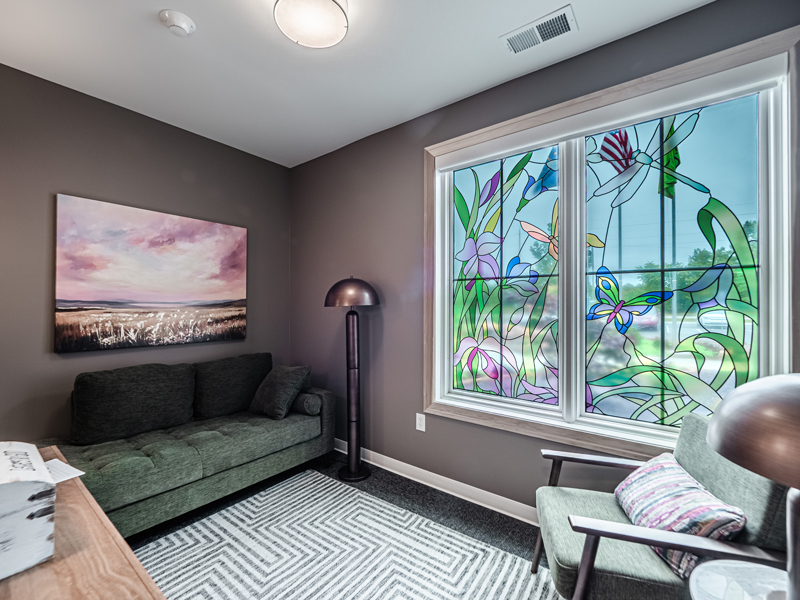
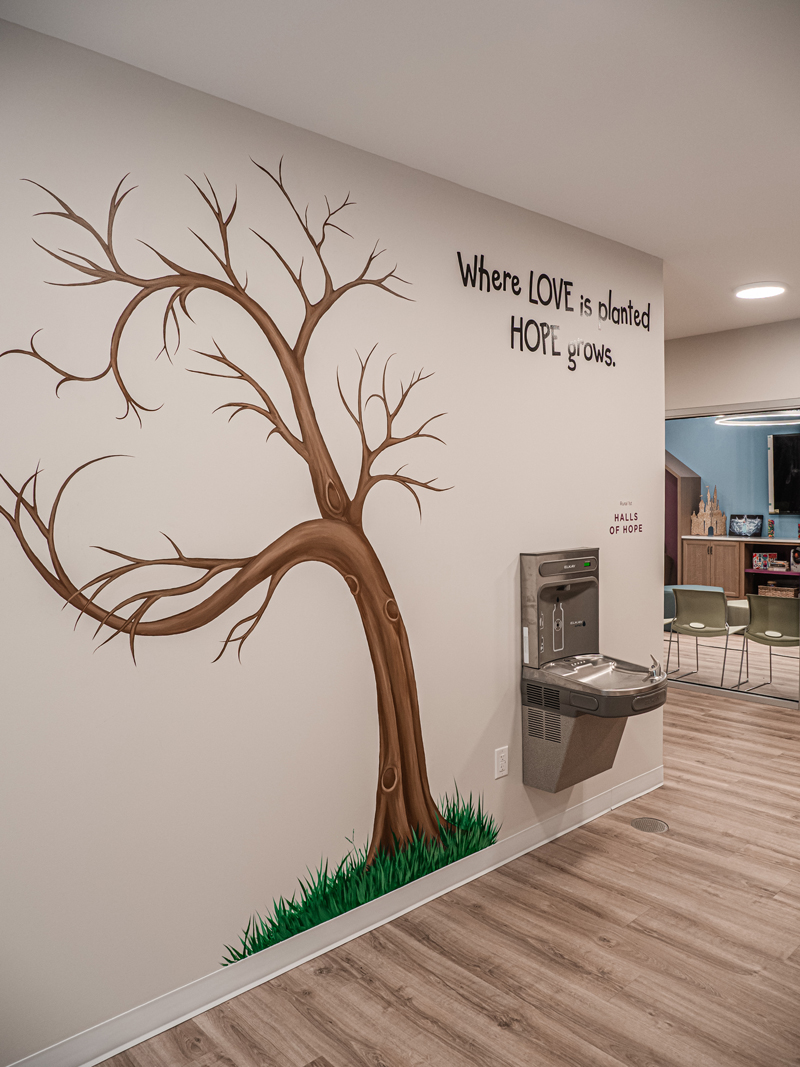

The first time she toured the House of Hope, Sandy Quick was impressed by the campus as well as the scope of Granted’s mission. “People don’t know what Granted offers, or know what’s out there for their children. It’s not, ‘It’s a wish, and that’s it!’” says Quick, who owns Wayne’s Appliance with her husband, David. “People don’t think of that kind of lifestyle or needing those types of services. That’s what I was impressed with. I felt it would be a good thing, helping the children and the parents out.” Wayne’s Appliance donated a refrigerator, range, microwave, dishwasher, and ice machine to the House of Hope’s kitchen.
Chelsea says the campus allows Chase to play in a safe environment, giving her peace of mind in return. “Chase will run off and has no sense of danger, so the park must have a fence. He shouldn’t climb to certain heights,” Chelsea says. Because Chase needs so much attention during outings, there’s also a risk that it will impact the experience Maylee has. Granted has thought of that, too. “They’re big on inclusion at events: The Easter egg hunt has a side room for sensory and motor-friendly games, so we still feel like we’re able to do things normal kids do, and Maylee can participate, too,” Chelsea says.
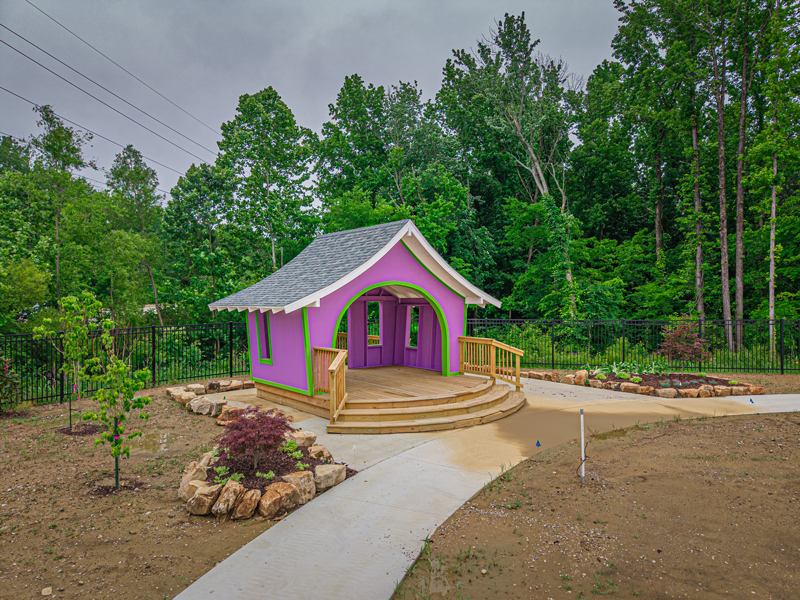
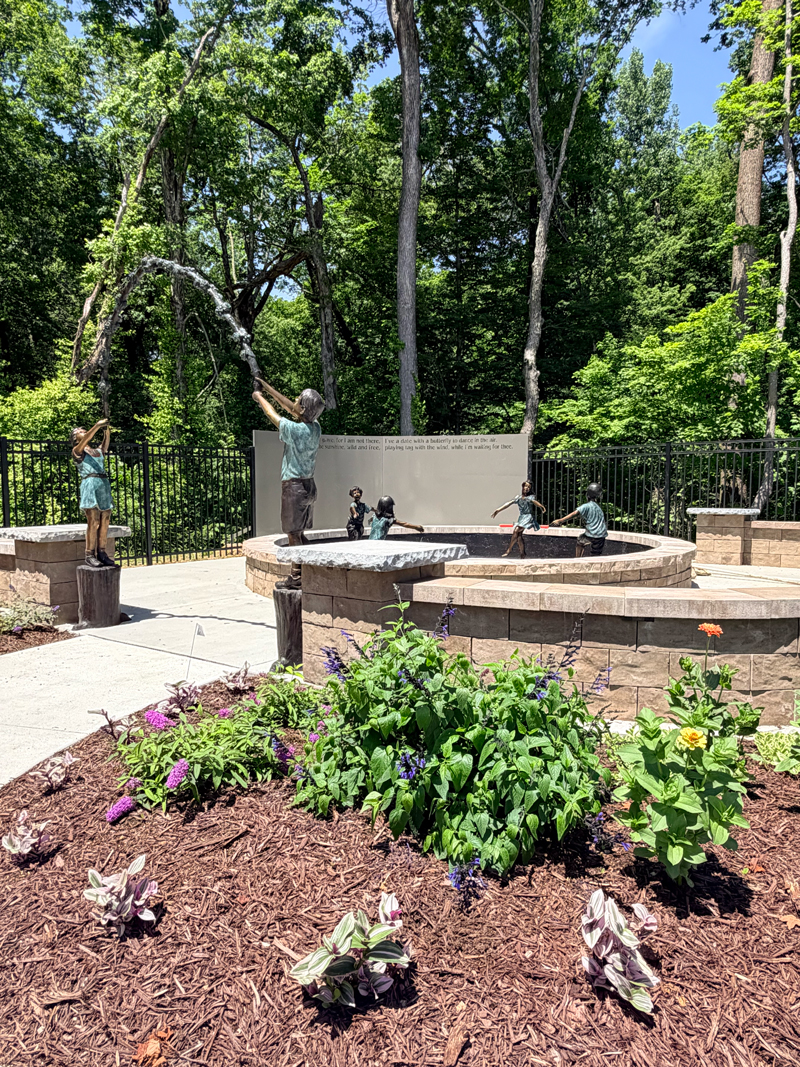
But the House of Hope’s campus isn’t just for Wish children and their families. Members of the public can rent Camp Hope, a facility with picnic tables, a full kitchen, and full bathrooms. The prayer garden is open to visitors needing a meditative space. Granted officials are planning community events, movie nights, and outdoor performances in the open-air theater, all to help Wish families and area residents find common ground. “The House of Hope campus allows us to open our arms to the broader community, inviting those who want to be part of something extraordinarily special to make a meaningful difference in the lives of some of the most remarkable people they will ever know,” Dennison says.
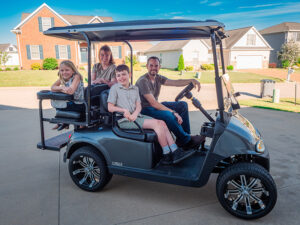
In addition to benefiting from Beyond The Wish, the Funks have participated in the nonprofit’s signature gesture: In 2025, Chase’s wish for a golf cart was granted. “So much of (having) special needs makes you feel alone and secluded. Even going out to dinner can make you feel like an outcast,” Chelsea says. “Granted includes the entire family. They have accommodations for us, but we’re still part of the community.”