


Tackling the opioid crisis is a massive undertaking, but local groups are making big strides. After the state of Indiana received approximately $508 million of 2021’s $26 billion federal settlement with opioid manufacturers and pharmaceutical distributors, $3.4 million initially was allocated for Evansville. In three years, city officials have awarded nearly $2.9 million to 23 organizations and nonprofits to combat the devastating effects of opioids.
“Southwest Indiana continues to see rising … substance use challenges, with limited options for individuals who don’t need hospitalization but still need intensive support,” says Katy Adams, President and CEO of Southwestern Behavioral Healthcare Inc., which received $150,000 for a 20-bed, short-term residential facility with 24/7 care for adults experiencing mental health or substance-related crises. It’s anticipated to open in the next 12 months.
Twenty-one recipients in 2024-25 were selected by a mayor-appointed committee. Caleb’s Bridge of Hope plans to use $34,000 for recovery housing scholarships for people leaving inpatient treatment programs for opioid-related addictions. “We anticipate scholarship awards ranging from $600-$800, depending on the sober living housing costs and any required bed deposit fee,” says Caleb’s Bridge co-founder Scott Olsen.
Southwest Indiana Recovery and Empowerment’s focus on training peer recovery coaches began with $250,000 in 2024 funds allocated to the Vanderburgh County Sheriff’s Office. With an additional $23,100, SWIRE staffs five coaches at VCSO’s detainment center, with a caseload of about 140 people. “Our goal is to build on the foundation already in place so that individuals leaving custody are not released without support, resources, or a clear next step during reentry,” says SWIRE Executive Director Katherine Beyers.
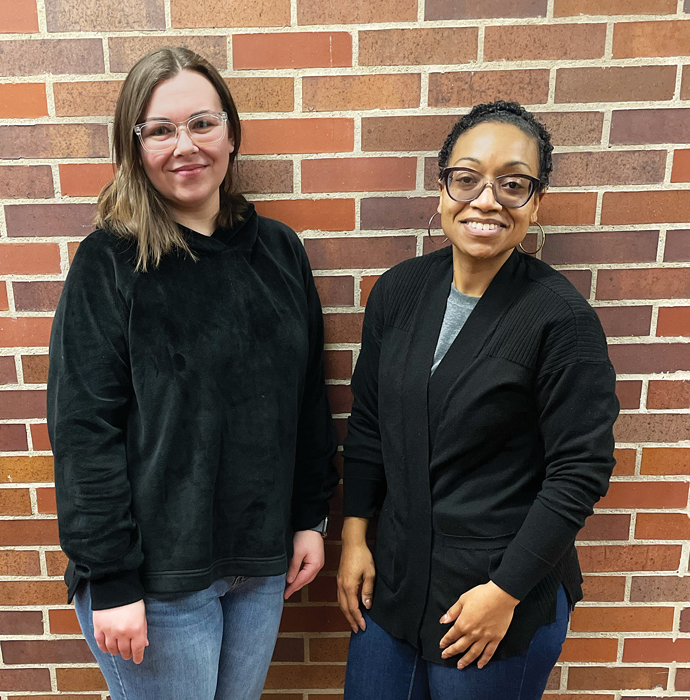
The Mental Health Court, a division of Vanderburgh Superior Court, can manage 50 active cases at one time after using $96,000 awarded in 2024 to bring on board two full-time employees: case manager Brittany Wendel and probation officer and case manager Ebony Winfield-Lee. A joint grant with the Drug Court also allows one case manager to see participants dual-diagnosed with mental and addiction issues. “Our goal is, eventually, we’ll combine both courts, and they’ll be under one umbrella,” Mental Health Court Judge Les Shively says.