


Being more than 200 years old, the city of Evansville boasts an impressive 81 individual structures and nine districts recognized by the U.S. Department of the Interior as historic places.
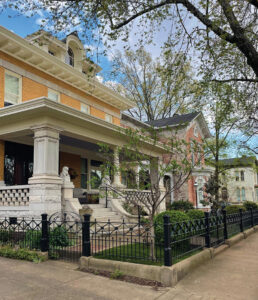
The Riverside Preservation Area covers the area near Downtown from Walnut Street south to Adams Avenue and Riverside Drive east to Southeast Fourth and Parrett streets. Grand homes within the district reflect the earliest part of Evansville’s history and its gilded age in the 19th century. Most have been meticulously maintained since the neighborhood’s national designation in 1962. It has been amended several times, contains 238 properties, and is located within the original historic district that overlaps the area with slightly different boundaries. The Historic Preservation Commission has authority to approve work in the area.
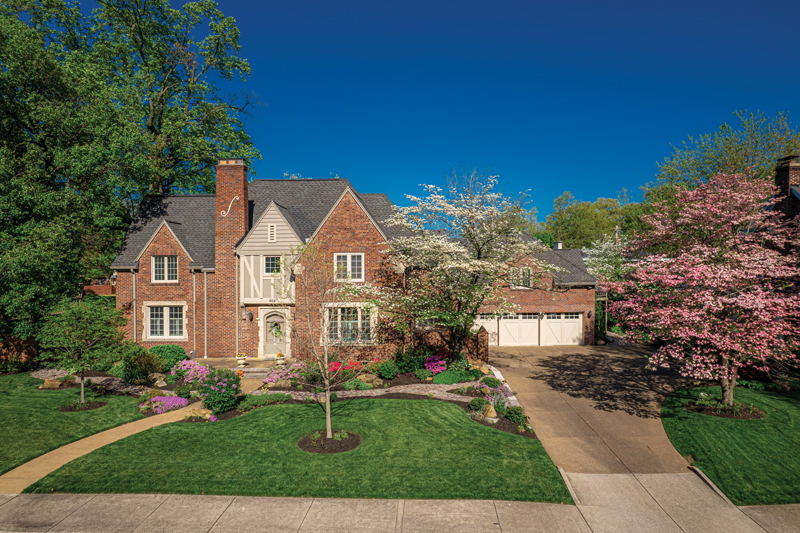
The Lincolnshire Historic District was established in 1999 and runs from Lincoln Avenue south to Powell Avenue and College Highway east to Lodge Avenue, with small appendages north and east. French, English Tudor, Colonial, and cottage styles permeate the district in one of the early 20th century’s first planned subdivisions. The Historic Preservation Commission approves demolition, moving, and new construction of any dwelling.
Other districts have national or historic distinction but are not governed by the Historic Preservation Commission.
Historic Preservation Commission
Founded in 1998, the seven-member Historic Preservation Commission works with the city’s historic preservation officer and meets monthly to adopt preservation guidelines, recommend new districts and landmarks, survey and inventory properties, and consider nominations to the National Register of Historic Places.
Bayard Park Historic District
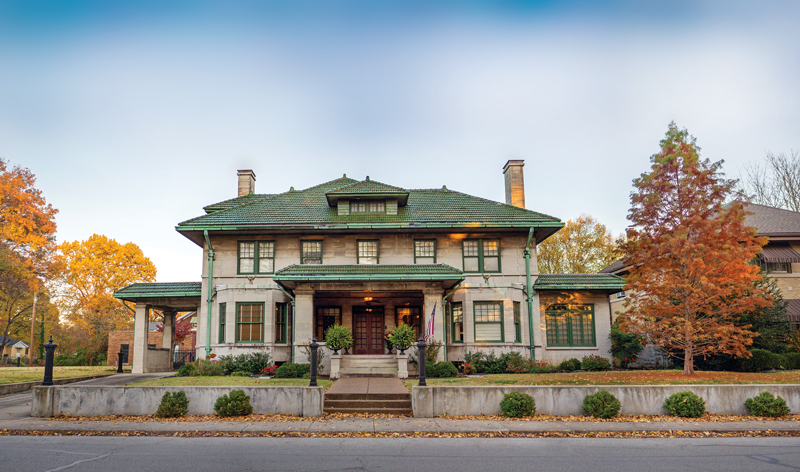
The area surrounding Bayard Park was declared a historic district in 1985, and it offers dwellings in various styles popular in the early 20th century, including Queen Anne, Craftsman. Colonial Revival, and America Foursquare. It was one of the first planned subdivisions in the eastern expansion of the city in the pre-World War I era.
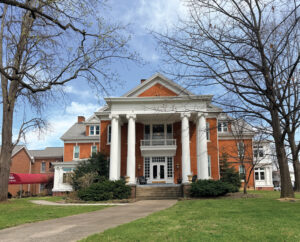
Culver Historic District
Generally defined as the area immediately surrounding the Culver Family Learning Center (formerly known as the John M. Culver School), it is notable for its collection of late 19th and early 20th century dwellings and short interconnecting streets, reminiscent of a time before the advent of city planning. Most of the lots are laid out at angles and were part of the Robert Parrett farm, after whom one of the principal streets through nearby Haynie’s Corner is named. A striking resource is the Rathbone: Built in 1905 and designed in the Classical Revival style, the former senior residential property now offers contemporary apartment living for all ages.
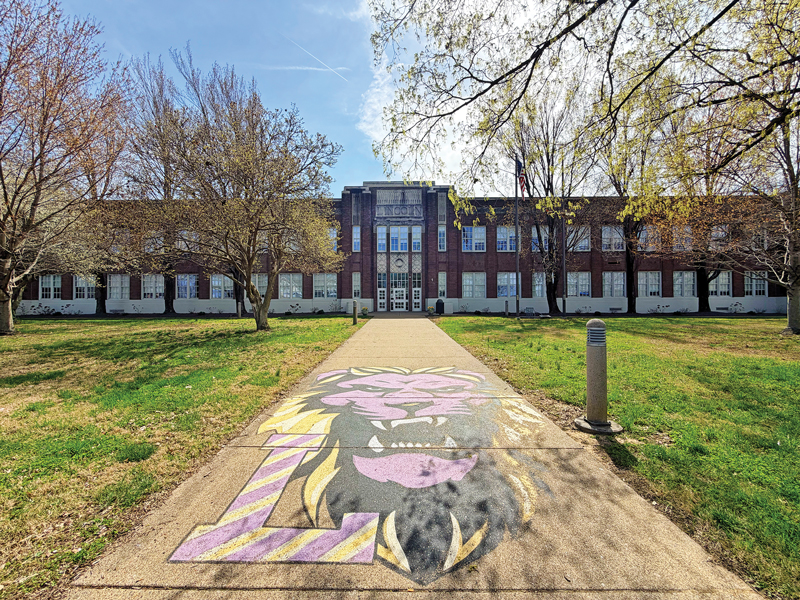
Baptisttown Historic District
The formerly segregated neighborhood surrounding Lincoln School is the most recent designation by the National Register, having been officially recognized in 2023. For a century, the area existed as a “city within a city” that provided housing, commercial buildings, schools, and recreation for Black residents who were prohibited from living elsewhere, first by deed restrictions, then by developers who kept newer areas segregated by declaring them “restricted” until the 1968 Fair Housing Act. The original building of the 1938 Lincoln Gardens housing project serves as the neighborhood’s centerpiece, now providing a beautiful historic space for the Evansville African American Museum to tell the many engaging stories of Baptisttown. In 2023, a $25,000 grant from the Indiana Historical Society funded the museum’s refurbishment of the Alfred Porter House, a historic home located across from Lincoln Elementary that Brownfield Corp. saved from the wrecking ball. The house was once the residence of Porter, a teacher at Lincoln when it was the largest segregated school in the region, and will serve as an extension of the museum. It is to this day a powerful reminder of the progress Evansville has made toward racial equality.
Whose House?
A misconception of homeowners within historic districts is believing their home is listed individually. Unless it is one of the 81 specifically named structures, it is, instead, a contributing resource within the district’s designation.
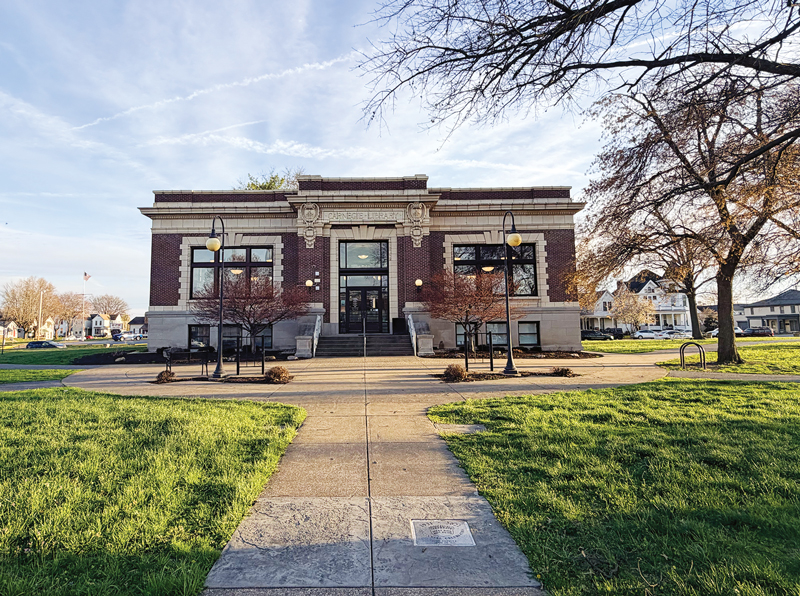
Independence Historic District
Once a separate town by the same name, the district was established in 1982 and encompasses the inner West Side of Evansville. Homes along West Franklin Street and Wabash Avenue showcase various architectural styles from Italianate to Victorian. One of the city’s only two remaining Carnegie libraries sits at its heart, as does the historic Laval Block, a 19th century commercial strip that now is the setting for the West Side Nut Club’s annual Fall Festival.
Hebron Meadows Historic District
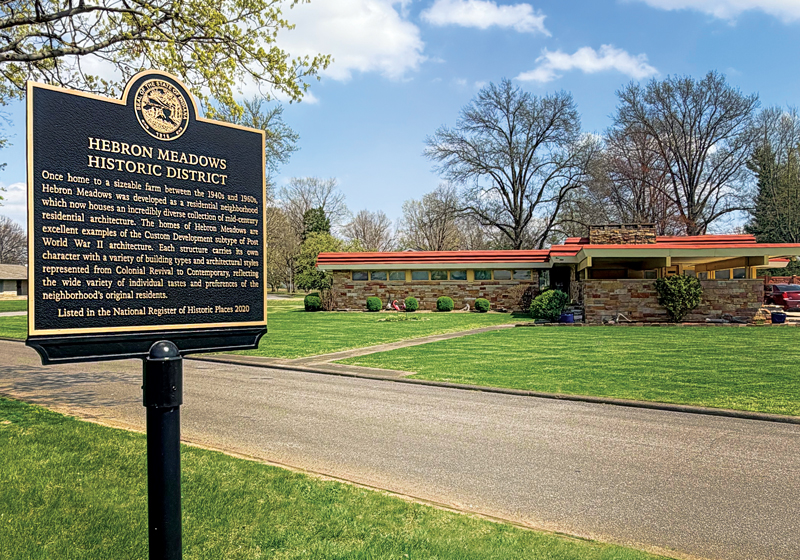
On the city’s far East Side, Hebron Meadows is a younger district, having been established in 2018 as a prime example of post-war, mid-century modern residential development. Mostly constructed during the housing boom of the 1950s, these sleek, low-slung ranch homes represent styles popular during the economic expansion of the 1950s. Many were designed by the only female home designer at the time, Isabella Sullivan, who popularized in-home laundry centers as well as the use of Bedford, Indiana, limestone.
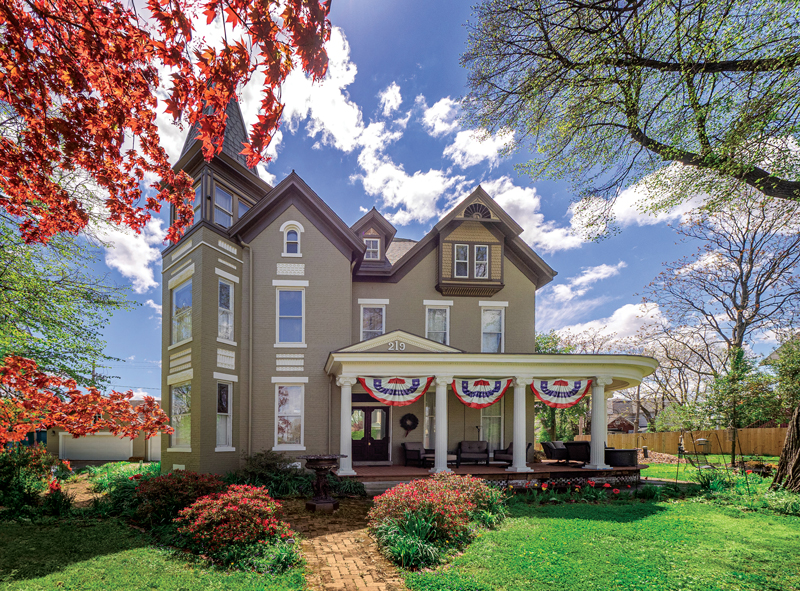
Washington Avenue Historic District
The oldest section of Washington Avenue — a major east-west thoroughfare in the city’s urban core — starts near the Haynie’s Corner neighborhood and stretches west from Parrett Street to Grand Avenue and from north to south from Gum Street to Madison Avenue. Many grand Victorian homes along the corridor have been lost since the district’s creation in 1980, and a designation from the National Register provides no real protection from demolition. Many of the finer residences became multi-family dwellings during and after World War II, contributing to their demise.
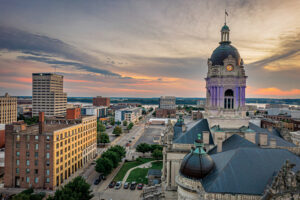
Evansville Downtown Historic District
Designated a historic district in November 1978, the principal commercial and retail area of the original Downtown plat consists of a T-shaped area constructed by Main Street from Sixth Street south to Second and Fourth streets between Chestnut and Sycamore streets. For decades, most of the area featured flashes of Art Deco, art moderne, vernacular, Greek Revival, and Chicago styles on the facades of department stores and other commercial businesses. A separate Multiple Resource Area contains most of the 47708 zip code and holds the Beaux Arts-style Old Courthouse and Gothic Revival-style Old Post Office and Customs House, among other historic structures.
These designated areas show the value our city places on its history and the legacy of past generations. Beyond their nostalgic exteriors, these buildings stand as reminders of the human stories that make Evansville unique and the historic memories our city holds — for example, the visibly well-trodden areas of the Old Courthouse’s interior stairs. It is good to not only remember buildings, but also the humans who interacted with them and the memories they left behind.
Don’t just read about Evansville’s historic districts — take a walking tour using brochures available on the city’s website.