


Read the full feature story in the January/February 2026 issue.
Creating a clutter-free closet takes time and will power. It’s common for people to put something away and then forget about it — or think, “I’ll deal with this later,” but never do. It’s the trap of the closet: It easily hides away items that might not have a home anywhere else.
But all that clutter and disorganization quickly piles up, no matter if it’s behind closed doors. “What most people don’t realize is that a closet is a productivity tool, not just a storage space,” says Thomas VanVactor, owner and lead designer at Closet Pros. “The way your closet is designed directly affects how smoothly your mornings go.”
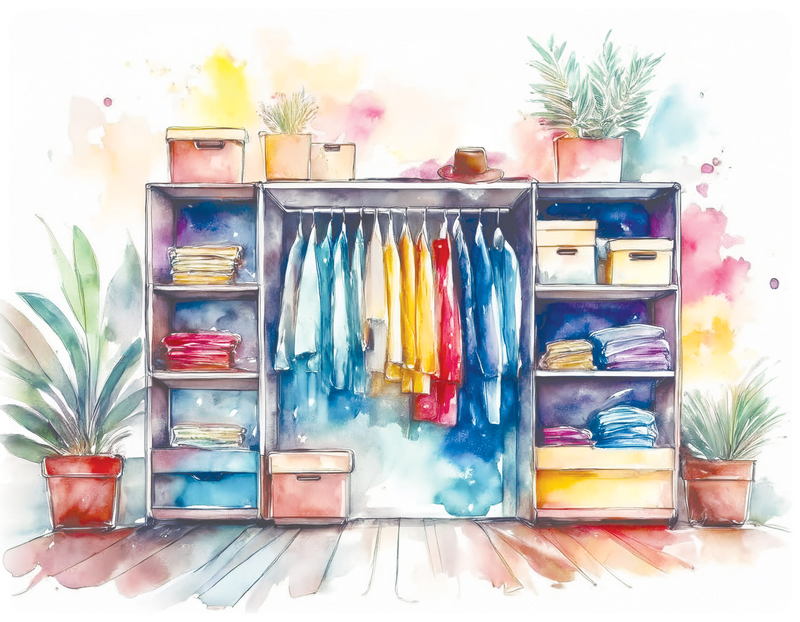
Poorly designed closets cause clothes to get lost, wrinkled, or forgotten — you may even unintentionally buy duplicate items. VanVactor recommends a combination organization system that mixes hanging, shelving, and drawers. This should include drawers that keep the everyday items tidy and shelves that provide open visibility so you can lay eyes on everything stacked on them. Circling back to those wrinkled outfits, hanging space prevents clothes from becoming rumpled or piling up. “When these elements work together, the closet stays organized long-term because the layout actually supports your day-to-day routine,” VanVactor says.
Also, try a zoning system that separates your closet-based items into three different sections. Zone One includes everyday wear and should go front and center in the closet. Zone Two groups items you use weekly or occasionally and should be placed on mid-height shelves or the second row of hanging for easy access. Zone Three is reserved for seasonal or rarely used items; place these on the top shelves or in labeled storage bins.
The result: Everything has a regular landing spot that you become familiar with. “A well-designed closet works like a map: You always know where things live,” VanVactor says.

In Plain Sight
Cindy and Steve Basinski never have to wonder what’s in their closet — they can see almost everything. On display in their H.G. McCullough-designed home (featured in the September/October 2022 issue) are racks of everyday wear and back-lit shelves of shoes at the ready. Seasonal items are tucked away into drawers, cabinets, and clear bins — out of sight but still within reach.